
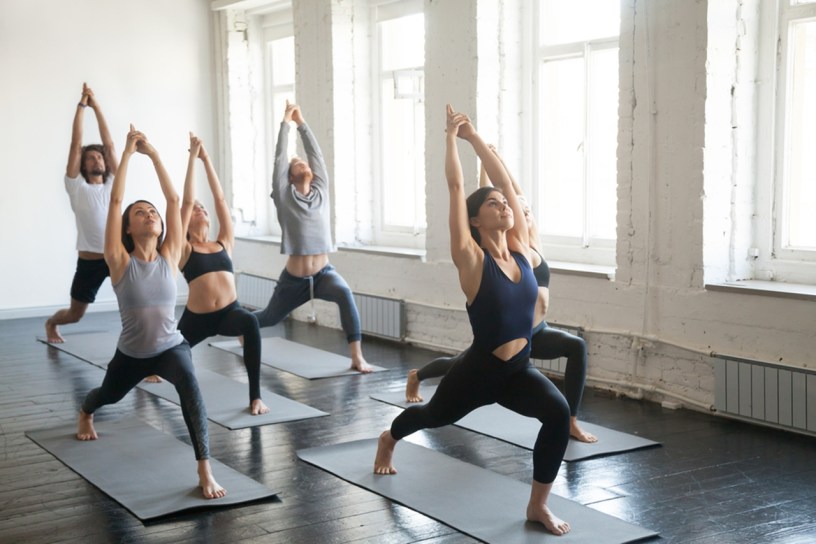
Pain is not only a physical sensation but also a learned response. Chronic pain often continues long after an injury has healed, driven by how the brain processes signals from the body. Scientists now know that our nervous system can become “sensitised,” meaning it overreacts to ordinary sensations and interprets them as pain. One of the most promising non-medical ways to rewire this response is through movement and mindfulness. This is why many people are searching for yoga classes near me to manage chronic pain through awareness-based movement.
Yoga helps the body reprocess pain by changing how the brain interprets signals from muscles and joints. Through slow, controlled motion, gentle stretching, and conscious breathing, practitioners learn to separate real physical discomfort from habitual tension. This not only relieves immediate pain but also retrains the nervous system for long term healing.
Understanding Pain Reprocessing
Pain reprocessing is a neuroscience-based approach that helps people reduce or eliminate chronic pain by retraining the brain’s response to sensory input. It relies on the idea that pain is an interpretation rather than a direct reflection of tissue damage. In many chronic pain cases, the brain mistakenly continues to send pain signals even when the body has healed.
Yoga provides a structured way to challenge these faulty signals. The combination of awareness, gentle movement, and relaxation teaches the brain to reinterpret sensations as safe. Over time, the nervous system becomes less reactive, and the body regains a sense of trust and ease.
How Yoga Affects the Brain’s Pain Pathways
Yoga changes how the nervous system communicates with the brain. Mindful movement activates regions involved in body awareness and self-regulation, while meditation and breath control calm the limbic system, which governs emotional reactions to pain.
Reduced Fear Response
Fear of pain often amplifies the pain itself. When you learn to move safely and comfortably through yoga, fear decreases. The brain learns that movement does not always equal danger, reducing the cycle of tension and pain.
Increased Endorphin Production
Gentle movement triggers the release of endorphins, the body’s natural painkillers. Regular practice raises baseline endorphin levels, creating a more resilient pain threshold.
Improved Nervous System Regulation
Chronic pain keeps the body in a fight or flight state. Yoga activates the parasympathetic nervous system, shifting the body toward rest and recovery. As the system calms, pain sensitivity reduces.
Enhanced Interoception
Interoception is the ability to sense what is happening inside the body. Through mindful movement and breathing, yoga strengthens this awareness, helping individuals distinguish between real pain and protective muscle tension.
Key Yoga Techniques That Support Pain Reprocessing
Different aspects of yoga work together to reshape the way the body and brain handle discomfort.
Breathwork (Pranayama)
Breathing is a powerful way to influence pain perception. Slow, rhythmic breathing reduces the brain’s threat response. When practised regularly, pranayama lowers heart rate, blood pressure, and anxiety, all of which contribute to pain relief.
Gentle Flow Sequences
Flow classes that combine slow transitions and smooth motion keep joints and muscles active without strain. This improves circulation, supports tissue repair, and provides the brain with positive movement experiences.
Restorative Poses
Restorative postures are designed to trigger deep relaxation. Supported poses using bolsters or blankets allow the body to rest fully, helping to release subconscious tension held in muscles.
Body Scan Meditation
This mindfulness technique teaches practitioners to observe sensations without judgement. By noticing and labelling sensations as “pressure,” “warmth,” or “stretch” rather than “pain,” the brain learns to interpret them neutrally.
The Role of Consistency and Proximity
Proximity is a practical but crucial factor. When the studio is nearby, it becomes easier to attend classes consistently. Chronic pain management requires regular exposure to safe movement experiences. Missing sessions breaks the learning pattern that teaches the brain to trust movement again.
Why Consistency Matters
Neural reprogramming depends on repetition. The more often the nervous system experiences safe movement, the faster it rewires itself. Regular practice at a nearby studio ensures those positive inputs are maintained.
Reduced Travel Stress
Long commutes can worsen pain, especially for people with back, neck, or joint issues. Nearby classes reduce the strain of travel and preserve energy for actual practice.
Familiar Instructors and Environment
A stable, comfortable environment builds trust. Familiar teachers can guide modifications, track progress, and ensure that each session remains within a pain-free range.
Common Types of Pain Helped by Yoga
While every person’s condition is unique, certain types of chronic pain respond particularly well to yoga-based reprocessing.
-
Lower back pain: Stretching the hips, hamstrings, and spine relieves compression and restores balance.
-
Neck and shoulder tension: Mindful alignment and gentle strengthening prevent stress build-up.
-
Joint stiffness: Controlled movement nourishes cartilage and maintains mobility.
-
Fibromyalgia or chronic fatigue: Slow restorative practices calm hypersensitive nerve pathways.
-
Postural pain from desk work: Yoga reverses muscle imbalances caused by prolonged sitting.
The Emotional Side of Pain
Emotional stress can worsen pain perception. When someone feels anxious, angry, or helpless, the brain heightens pain sensitivity. Yoga’s focus on emotional regulation helps reverse this effect.
Meditation and slow breathing reduce the release of stress hormones like cortisol. As emotional stability improves, the brain no longer amplifies discomfort. This explains why people often feel “lighter” after a yoga class, even if their pain condition remains unchanged physically.
Science Behind Yoga and Pain Perception
Modern research supports yoga’s role in altering pain processing. Brain imaging studies show that consistent practice increases grey matter density in regions responsible for self-awareness and emotional regulation. It also decreases activity in the amygdala, the brain’s fear centre.
In clinical trials, people who practised yoga three times a week reported lower pain intensity and better function compared to those who only did physical therapy. Scientists attribute this to yoga’s dual action—retraining both body and mind.
Practical Tips for Pain Reprocessing Through Yoga
For people managing pain, the approach to yoga must prioritise comfort and mindfulness.
-
Start slowly with classes that focus on gentle flow or restorative practice.
-
Avoid pushing into pain; focus on ease and breath connection.
-
Communicate openly with the instructor about your limitations.
-
Practise gratitude for small improvements, as progress often comes gradually.
-
Integrate short daily sessions at home to reinforce neural changes.
Over time, the combination of mindful movement, self-compassion, and community support reshapes how the nervous system interprets pain.
Real-Life Example: Managing Back Pain Through Local Practice
Consider someone in Singapore working long hours at a desk. Persistent lower back stiffness gradually turns into chronic discomfort. Instead of relying solely on medication, they begin attending evening yoga sessions three times a week at a nearby studio.
After several weeks, they notice that sitting feels easier, their mood is more stable, and the body no longer flinches at minor sensations. The brain has effectively relearned that movement is safe. This is the essence of pain reprocessing—teaching the body and mind to cooperate instead of react.
The Long-Term Benefits
Pain relief is only the beginning. Over months of regular yoga practice, the benefits extend far beyond comfort. People report improved sleep, better concentration, reduced anxiety, and more confidence in their body’s capabilities. The nervous system becomes balanced, resilient, and adaptable—a foundation for lifelong health.
FAQs
How long does it take to experience pain relief from yoga?
Most people notice improvements within a few weeks of consistent practice. However, for chronic conditions, several months of regular attendance may be required to retrain the nervous system fully.
Can yoga replace pain medication?
Yoga can complement but not replace medical treatment. It focuses on reducing sensitivity and reprogramming pain perception, which helps decrease dependence on medication over time.
What types of yoga are best for pain reprocessing?
Restorative, yin, or gentle flow classes are ideal. These styles focus on awareness, breath, and relaxation rather than intensity.
Should people with severe pain attend group classes?
Group sessions can be helpful if guided by an experienced instructor. However, those with specific injuries may benefit from a few private sessions first to learn safe modifications.
Yoga offers a way to reconnect with the body, restore confidence, and heal from the inside out. Pain reprocessing through mindful movement gives people the ability to manage their conditions naturally, improving both physical and emotional wellbeing. Studios like Yoga Edition create safe spaces where individuals can explore movement without fear, re-establish trust in their bodies, and experience genuine relief that extends beyond the mat.
 News Health Blog