
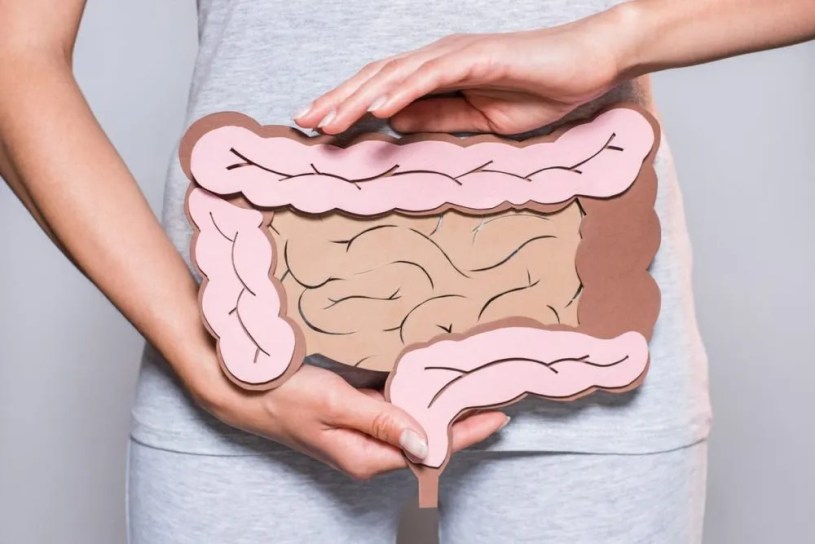
The field of gut health is rapidly evolving, with new research uncovering the intricate ways in which our gut microbiome influences overall health. This blog explores the latest developments and future directions in gut health research.
Emerging Trends in Gut Health Research
Microbiome Diversity:
Recent studies emphasize the importance of microbiome diversity for optimal health. A diverse gut microbiome is associated with better digestion, stronger immunity, and a lower risk of chronic diseases. Researchers are developing personalized nutrition plans to promote microbiome diversity tailored to individual health needs.
Personalized Nutrition:
Advances in technology are enabling personalized nutrition plans based on an individual’s unique gut microbiome. This approach aims to tailor dietary recommendations to support gut health and overall well-being. Personalized nutrition can potentially prevent and manage conditions like obesity, diabetes, and inflammatory bowel diseases.
Gut-Brain Axis:
Research on the gut-brain axis is uncovering how gut health influences mental health. A balanced microbiome can impact mood, cognitive function, and the risk of mental health disorders. This research could lead to new treatments for anxiety, depression, and other mental health issues through dietary and probiotic interventions.
Prebiotic Supplements for Gut Health
Role of Prebiotics:
Prebiotic supplements provide non-digestible fibers that feed beneficial gut bacteria, promoting a healthy microbiome. These supplements can enhance digestion, boost immunity, and support overall health. Prebiotics like inulin and FOS (fructooligosaccharides) are gaining popularity for their effectiveness.
Innovative Prebiotics:
New prebiotic compounds are being developed to target specific health outcomes. These include prebiotics that enhance athletic performance, support weight management, and improve skin health. Researchers are also exploring prebiotics’ role in reducing inflammation and supporting cardiovascular health.
Future Directions in Gut Health
Microbiome-Based Therapies:
Researchers are exploring microbiome-based therapies for various health conditions. These include fecal microbiota transplants for treating Clostridium difficile infections and probiotics for managing irritable bowel syndrome (IBS). Such therapies hold promise for restoring gut health and treating chronic gastrointestinal disorders.
Microbiome-Guided Drug Development:
The gut microbiome is influencing drug development, with new treatments being designed to modulate the microbiome and improve efficacy. This approach holds promise for treating metabolic disorders, autoimmune diseases, and mental health conditions. Scientists are investigating how microbiome composition affects drug metabolism and response.
Consumer Products:
The market for gut health products is expanding, with new offerings such as prebiotic-infused beverages, probiotic supplements, and gut-friendly snacks. These products aim to make it easier for consumers to support their gut health. Functional foods and drinks designed to enhance gut health are becoming increasingly available.
The future of gut health research is bright, with exciting developments on the horizon. From personalized nutrition plans to microbiome-based therapies, these advancements hold great potential for improving overall health and well-being. By staying informed about the latest research and incorporating prebiotic supplements, you can support your gut health and benefit from the emerging trends in this dynamic field. Prioritizing gut health today can lead to better health outcomes in the future.
 News Health Blog