
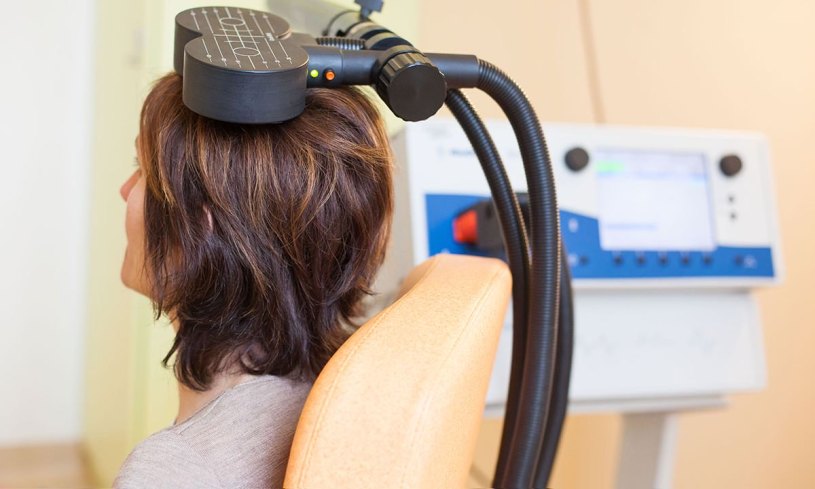
TMS is an innovative treatment option that has been found to be able to treat multiple health issues, especially mental health issues. It is a therapy that does not require any medication like anesthetic. A non-invasive treatment option where the brain is stimulated to get desired results. In the case of certain conditions like PTSD, depression and bipolar disorder, the brain activity changes. Certain zones become overactive or underactive causing the symptoms. By making these parts of the brain work properly, these issues can be solved to some extent. TMS is capable of targeting different areas of the brain and making it active or reducing the activity and making it work properly. When these parts of the brain start to work properly, patients find relief from the symptoms of the condition. Here are a few facts about the therapy to know:
The Side Effects Are Mild
When compared to the side effects of medication, the side effects of transcranial magnetic stimulation really seem nothing. While treating depression with medication, the patient would be troubled by the side effects including sleep deprivation, reduced sex drive, tiredness, dizziness, weight gain and more. These side effects can alter the quality of life of the patient to a great extent. At the same time, TMS might cause people to get headaches, twitching facial muscles and knocking sensations. These side-effects subside fast enough and there is no need to go for any medication for it.
Works Along With Other Modes Of Treatment
TMS is one such option that can cooperate with other treatment options like medication. Behavioral therapy along with TMS can lead to sustained and better results. But all of these should be combined only when your doctor feels it to be safe for you. Combining them can be helpful in finding relief sooner and enjoying long-lasting results.
Insurance Cover
Many providers require patients to try antidepressants first before they agree to pay for TMS. However, this is not true for all insurance providers. As it can bring down the financial burden, it is better to talk to both your provider and your TMS provider to determine whether it would be covered or not.
 News Health Blog